
Problem talk creates problems,
Solution talk creates solutions.
S. de Shazer
Solution-focused psychotherapy (systemic)

Focusing on solutions
The solution-focused systemic approach is based on the premise that it is particularly helpful to concentrate on your positive goals, resources and exceptions (to the problem).
Focusing on your personal solutions does not mean talking about your problem for weeks on end without any results. It means directing your attention to your goals (‘positive differences’) and actively implementing them.
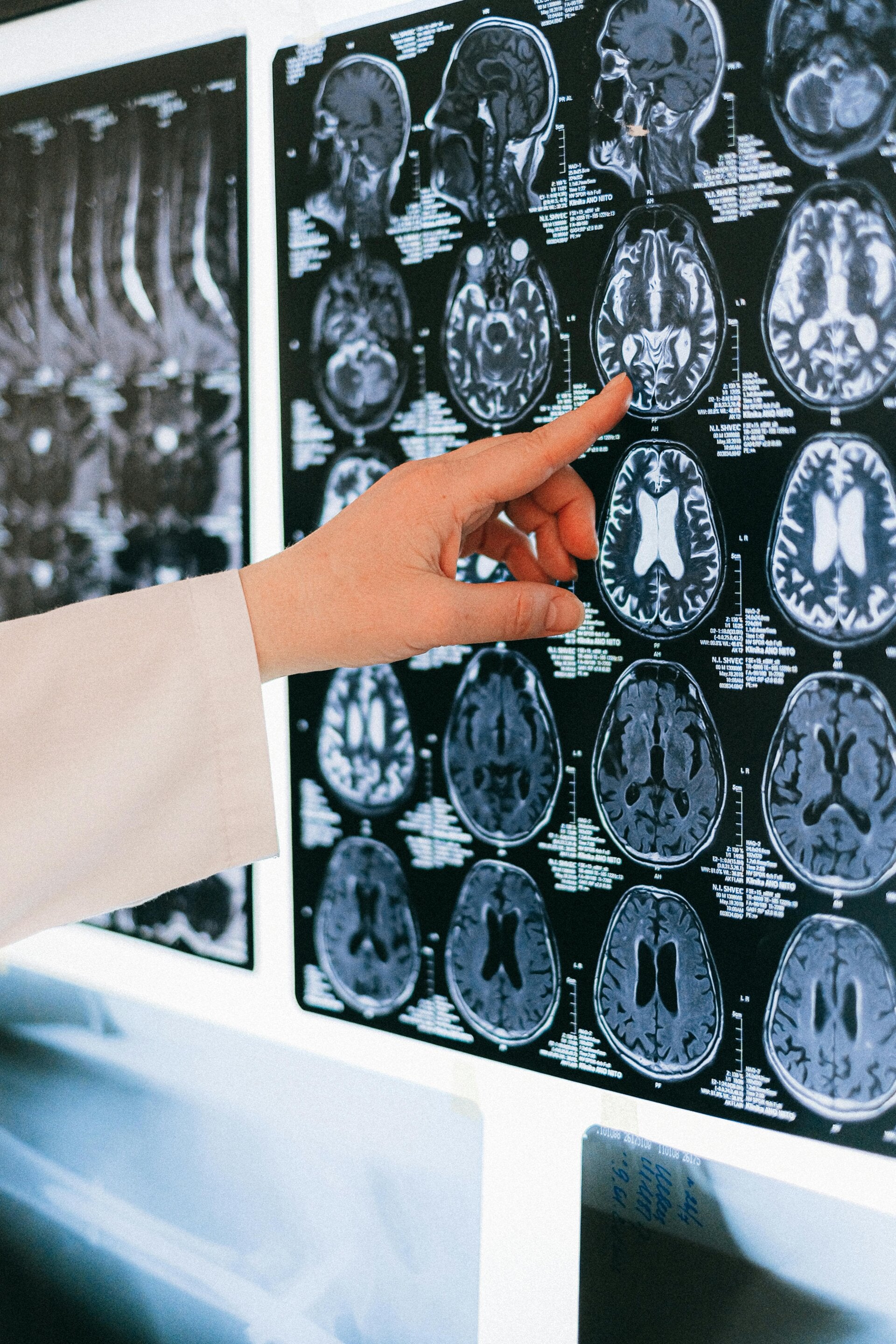
Strengthening solution networks
This approach is supported by research findings in brain science, in particular the concept of neuroplasticity: this states that the brain constantly changes its structure and adapts to the respective experience. Through practice and learning, the synaptic connections between the corresponding neurons of the experiences made are strengthened.
These methods therefore encourage and invite you to do more of what leads to solutions and goals. As a result, your neural ‘solution networks’ gain solution experiences that lead to their reinforcement, while ‘problem networks’ increasingly atrophy and thus lose influence.

Simplicity and small steps
There is also a commitment to ‘simplicity’: in order to be successful in complex situations and systems, it is not always necessary to want to understand them completely – it is often better to observe them impartially and then develop in the desired direction in small, concrete steps (baby steps)

Systemic therapy

The whole is more
than the sum of its parts.
Aristotle
Solution-focused counselling is based on the systemic approach.
The basic idea behind this approach is that every person lives in different social contexts (family, circle of friends, work colleagues) and in different systems. Within these systems, they are connected to other elements and in relationships.
A system is therefore a composite, interconnected whole that is more than the sum of its elements or parts. The nature and quality of our relationships with others, as well as communication and exchange within our systems and networks, determine how well we can cope with daily demands and how satisfied we are with ourselves and our lives.
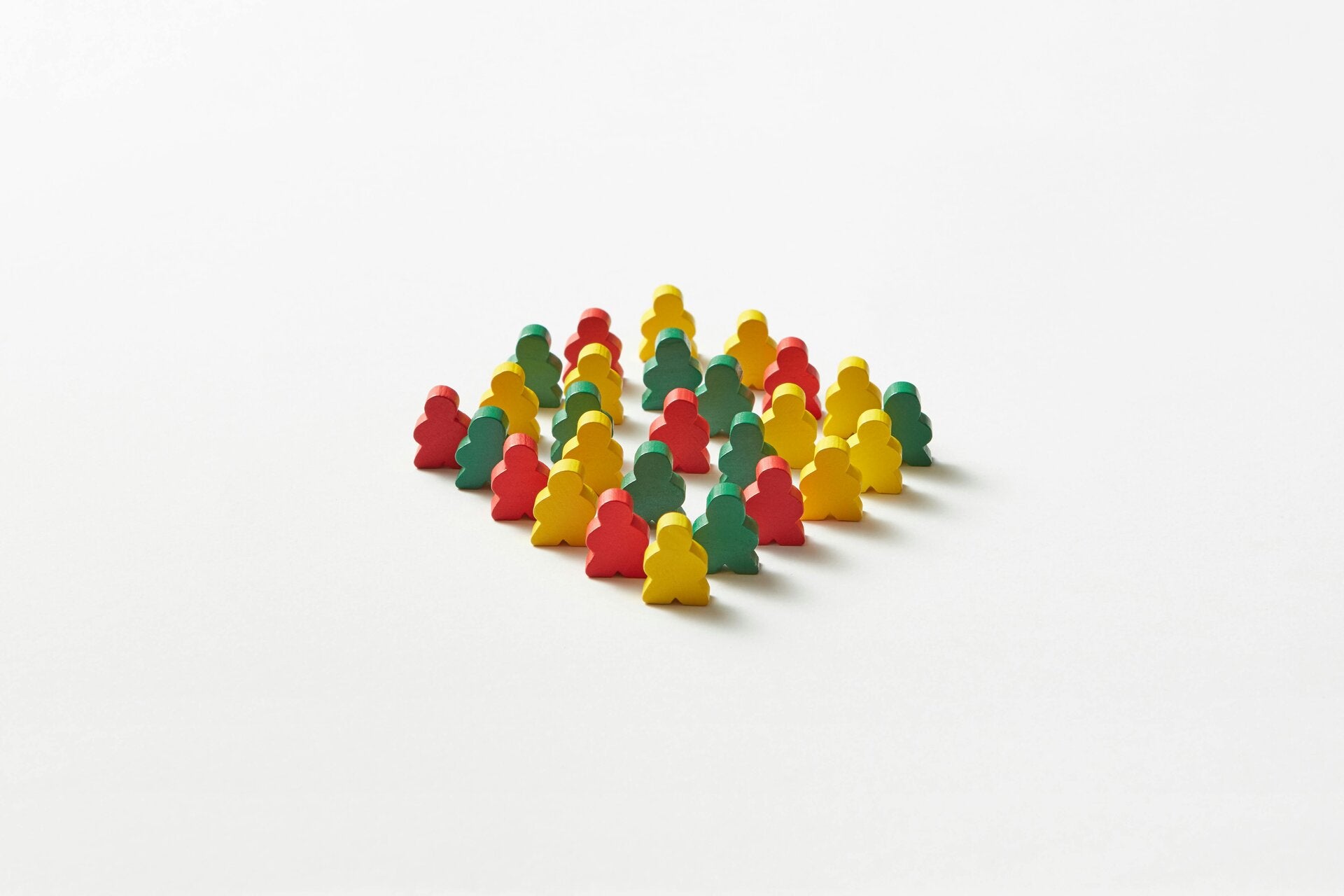
Systems
Families, groups, organisations, companies, but also individuals can be seen as living systems. Similar laws apply to all these systems. For example, they always exist in an environment, in a context, and need relationships, structures and orders in order to survive. Sometimes, however, after a certain period of time, these structures no longer fit a changed context. New things have to be tried out...