Self-knowledge is an adventure that leads to unexpected depths and horizons.
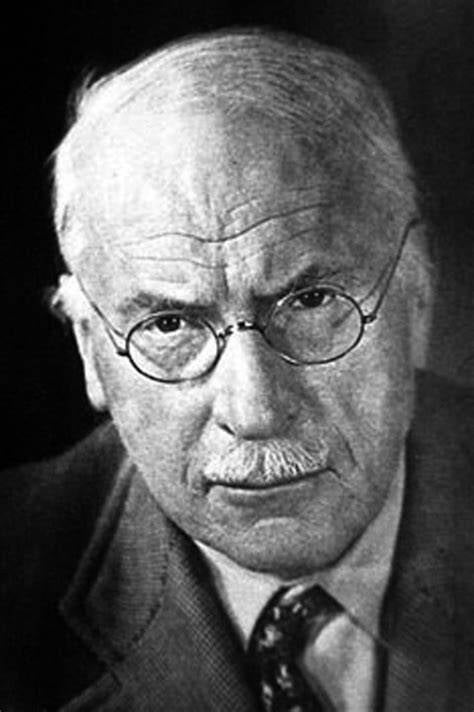
C.G. Jung
Depth psychology
A central idea of depth psychology is that ‘below the surface’ of consciousness, in the deeper layers of the psyche, further unconscious processes take place that strongly influence conscious mental life. These need to be brought to consciousness.

Below the surface
The term depth psychology encompasses all psychological and psychotherapeutic approaches that attach great importance to unconscious mental processes and inner dynamics in explaining human thought, behaviour and experience.
A central idea of depth psychology is that ‘below the surface’ of consciousness, in the deeper layers of the psyche, further unconscious processes take place that strongly influence conscious mental life. These processes must be brought to consciousness.
This view was already held in philosophy (e.g. Schopenhauer) before Sigmund Freud, but Freud was the first to systematically investigate this assumption and then use his findings to found the depth psychology school of psychoanalysis. Freud used the term depth psychology, introduced by Eugen Bleuler, from 1913 onwards to distinguish his psychoanalysis from the consciousness psychology that prevailed in academic psychology at the time.

Carl Jung
Another well-known school of depth psychology alongside psychoanalysis is analytical psychology, which was developed by Freud's student Carl Gustav Jung. These schools of depth psychology believe that conscious experience and behaviour are based on dynamic processes of energy regulation and conflict resolution.
Inner Team
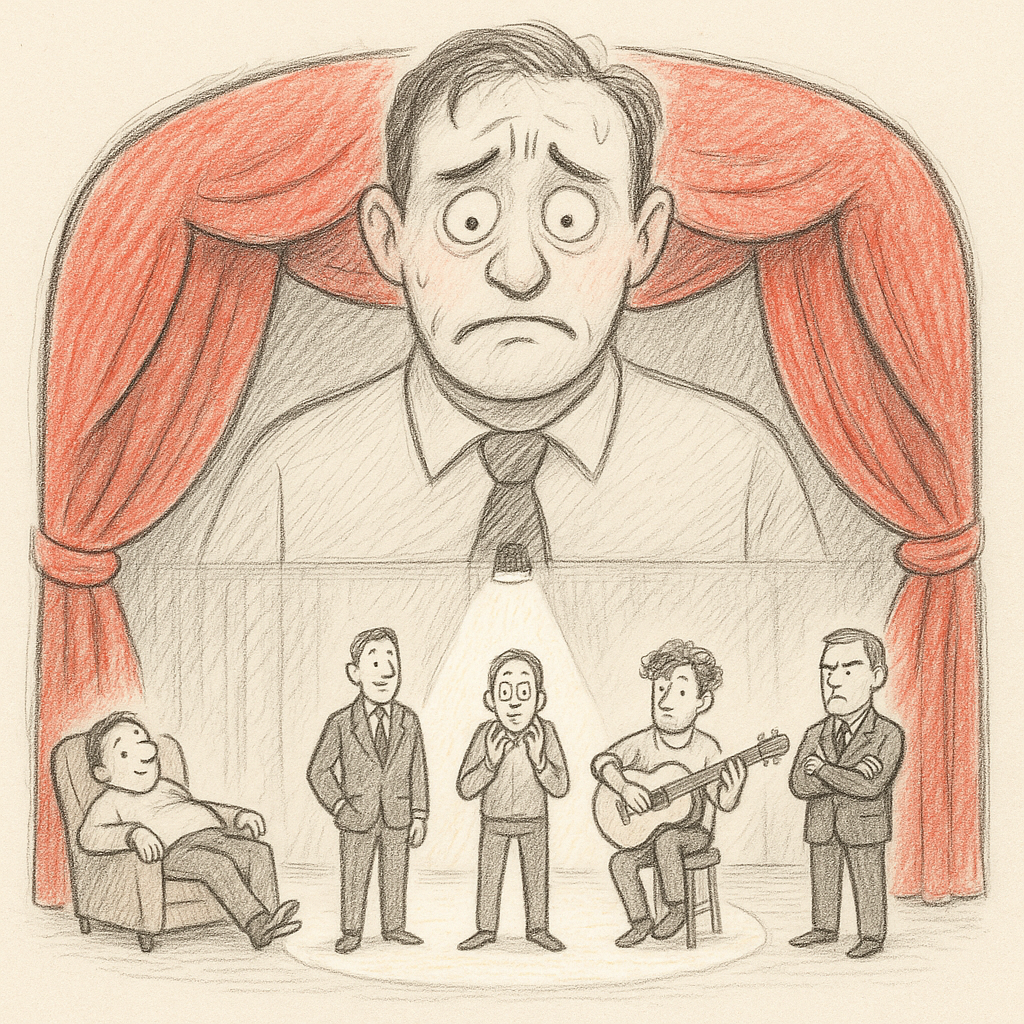
In our time, Friedemann Schulz von Thun has developed a simple and effective tool with his model of the inner team to better understand inner dynamics with metaphorical aids and to be able to better control or accept inner processes.
When we listen to our inner voice, we rarely find just one ‘voice’ that speaks up about a particular situation or topic. As a rule, we encounter different inner parts that rarely agree and do everything they can to influence our feelings, thoughts and actions.
We therefore find cooperation and conflict not only between people, but also within people. Although a divided group within us can be extremely annoying and tormenting and can even lead to behavioural paralysis, this is not a mental disorder, but a completely normal human condition. This inner dynamic or ‘inner plurality’ is ultimately also desirable. When the divided group becomes an inner team, inner synergy effects are released.
Thus, we are not only dealing with a team to which we may belong or which we may have to lead, but also with our ‘inner team’. Only when I have ‘everyone together’ and united within myself can I react clearly, authentically and appropriately to the outside world. The challenge is to identify the appropriate inner employees for a given problem/in a specific context, to let them have their say, to encourage them to work together and to optimise this cooperation (inner team development).